Building Homes Together, Lighter on the Planet

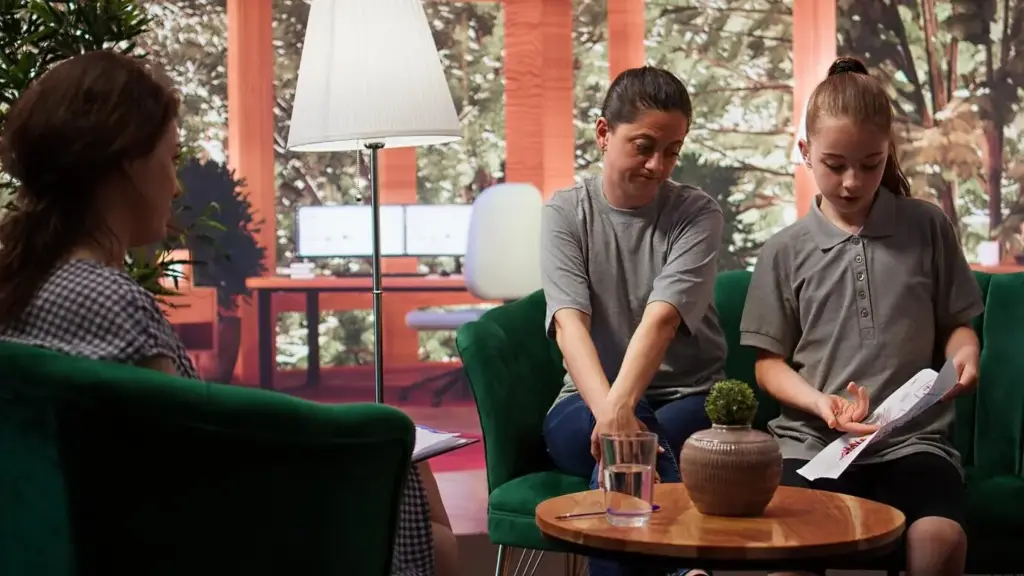
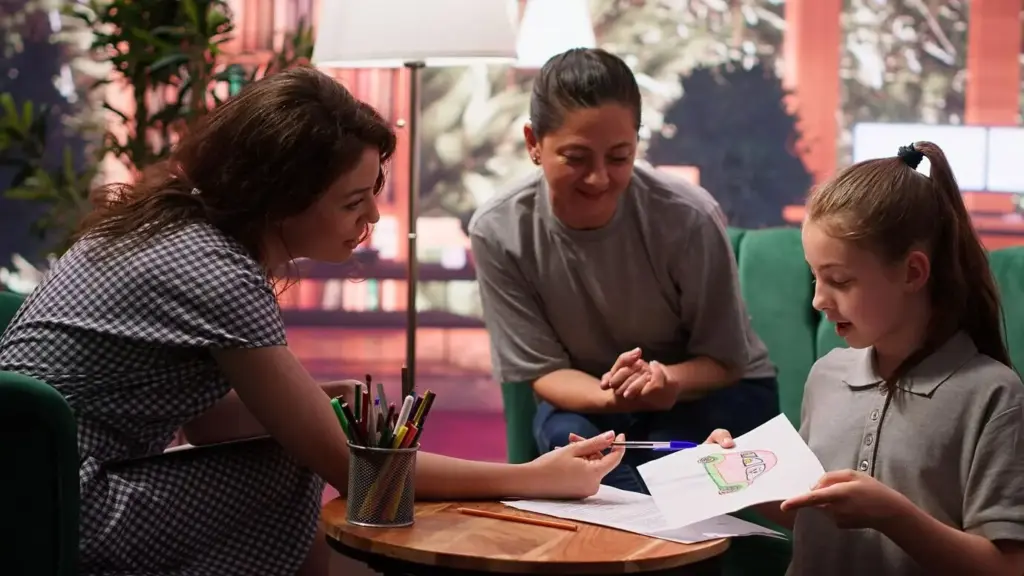
Today we explore participatory co-design workshops for meaningful, low-impact homes, where residents, designers, and builders collaborate to shape spaces that reflect real lives and gentle environmental footprints. Expect practical facilitation tips, heartfelt stories, measurable outcomes, and invitations to join conversations, sketch ideas, and help prototype tomorrow’s resilient neighborhoods starting right where you live.

Shared Vision, Real Homes

When people gather to imagine the places they will actually inhabit, design becomes a living conversation instead of a distant drawing. Participatory co-design connects values like affordability, climate care, and cultural identity with buildable decisions, turning neighbors into collaborators and complex trade-offs into collective insight that everyone understands, owns, and carries forward onto the site and into daily life.

Opening the Circle

Begin with welcoming rituals that make contribution easy, from simple name cards to shared snacks and a clear agenda that honors different schedules. A short storytelling exercise helps surface what home truly means, revealing priorities such as quiet corners, places to repair things, shared gardens, and the joy of breezes that make mechanical cooling mostly unnecessary.

Values into Design Criteria

Translate heartfelt values into criteria the team can actually build to. For example, low utility bills become energy use intensity targets; a love of daylight becomes a minimum daylight autonomy goal; neighborhood ties become shared courtyards. With visible trade-off matrices, participants see choices clearly and feel empowered to make decisions that endure beyond glossy renderings.

A Moment That Changed Minds

In one workshop, a retiree and a teenager debated window sizes. The retiree wanted quiet; the teen wanted views. A cardboard lightbox test revealed glare and heat in summer. Together they repositioned openings, added exterior shading, and protected acoustics, proving that small, participatory experiments can resolve tension and create solutions nobody could have drafted alone.

Workshop Methods that Spark Insight

{{SECTION_SUBTITLE}}

Charrette Rhythm That Works

Adopt short sprints: listen, sketch, share, adjust. Start with five-minute provocations, move into small groups, then return for synthesis so quieter participants are heard. Try dot voting to prioritize, and end each round with a crisp decision statement so choices do not evaporate. Momentum matters, and clear rhythms build shared confidence and visible progress.

Mapping Daily Life

Ask participants to trace a day at home, from sunrise coffee to late-night reading. Where does clutter gather, where does light fall, when is privacy needed? These maps reveal storage realities, cross-ventilation paths, and the perfect placement for benches, bike nooks, and laundry lines, guiding layouts that reduce energy demand while increasing everyday delight.

Materials, Carbon, and Healthy Interiors

Low-impact homes thrive when material choices honor both the planet and human health. Workshop conversations turn abstract carbon numbers into clear comparisons using environmental product declarations, while sample boards help participants touch hempcrete, dense-packed cellulose, cork, timber, and lime plasters, linking tactile preference with measurable performance, circularity, and maintenance people can confidently manage.

Inclusive Participation by Design

Inclusive processes do not happen by accident. Provide childcare, travel stipends, translation, and accessible venues with clear signage and good acoustics. Rotate meeting times to suit shift workers. Honor cultural practices in facilitation. When everyone can contribute comfortably, designs reflect real life, equity gains traction, and the resulting homes feel welcoming from day one.

Everyone at the Table

Start outreach with trusted community connectors, not just email lists. Offer multiple formats: small circles, online sessions, and hands-on Saturdays. Compensate lived experience as expertise. Make feedback channels anonymous and visible. When residents see their words become drawings and then decisions, trust emerges, and stewardship of shared spaces grows naturally and continuously.

Designing for Neurodiversity and Mobility

Create workshops that reduce sensory overload with quiet zones, predictable agendas, and visual timers. Provide tactile models and captioned videos. Test layouts with mobility aids and strollers. The resulting homes gain wider doors, intuitive circulation, and lighting plans that respect sensitivities, proving that inclusive engagement fosters elegant solutions rather than add-on accommodations.

From Workshop to Build Site

The hand-off from conversation to construction demands clarity. Decision logs, versioned drawings, and a shared glossary prevent confusion. Early mockups validate details like window bucks and rain screens. Regular site walks with residents sustain alignment, turning participants into co-stewards who understand maintenance, performance intent, and the compromises that protected core priorities.

Measuring What Matters

Meaningful, low-impact homes succeed when measurements are human and technical. Pair energy use intensity, airtightness tests, indoor air quality, water demand, and embodied carbon accounting with stories of comfort, belonging, and maintenance ease. Clear dashboards, celebratory milestones, and transparent reports build trust and inspire neighbors to participate in the next workshop cycle.

Simple Metrics, Honest Reporting

Track a small set of indicators monthly: electricity, water, interior CO2, and temperature stability. Compare against baseline expectations and share insights publicly. When numbers disappoint, invite ideas, not blame. This culture of learning sustains performance gains and encourages practical tweaks that residents can implement without specialized tools or training.

Comfort and Joy Index

Ask residents how spaces feel through seasons, during gatherings, and on quiet mornings. Document favorite corners, annoying drafts, and moments of delight. Blend qualitative notes with measured data to refine design guidelines. When joy becomes an explicit indicator, decisions prioritize daily life over vanity, amplifying participation and long-term stewardship.

Invitation to Co-Create

Share open calls for future workshops, volunteer build days, and maintenance teach-ins. Offer a newsletter with case studies, templates, and upcoming charrettes. Encourage readers to comment with questions, neighborhood challenges, or materials to test. Collective intelligence grows as more people add experiences, shaping homes that tread lightly and feel deeply personal.

Zitumiremukamike
Privacy Overview

This website uses cookies so that we can provide you with the best user experience possible. Cookie information is stored in your browser and performs functions such as recognising you when you return to our website and helping our team to understand which sections of the website you find most interesting and useful.