
Stories That Breathe New Life Into Old Houses

Today we explore adaptive reuse of historic residences through a narrative sustainability lens, connecting carbon savings, craft knowledge, and community memory with practical design choices you can act on. Expect human stories, measurable benefits, and actionable steps that honor place while improving comfort, health, and resilience. Share your experiences, ask questions, and help shape future explorations by commenting and subscribing for ongoing insights grounded in lived homes and careful stewardship.

Why Reuse Matters Now

Reusing historic homes avoids demolition waste, preserves embodied carbon locked in existing materials, and sustains neighborhood identity that cannot be recreated by new construction. Through a narrative sustainability lens, technical decisions are guided by stories of use, equity, and continuity, ensuring upgrades respect cultural meaning while improving performance. This approach reframes renovation from cosmetic refresh to long-term caretaking that balances climate responsibility with human connection, motivating owners, designers, and neighbors to collaborate and learn together across generations.

Reading the House Like an Archive
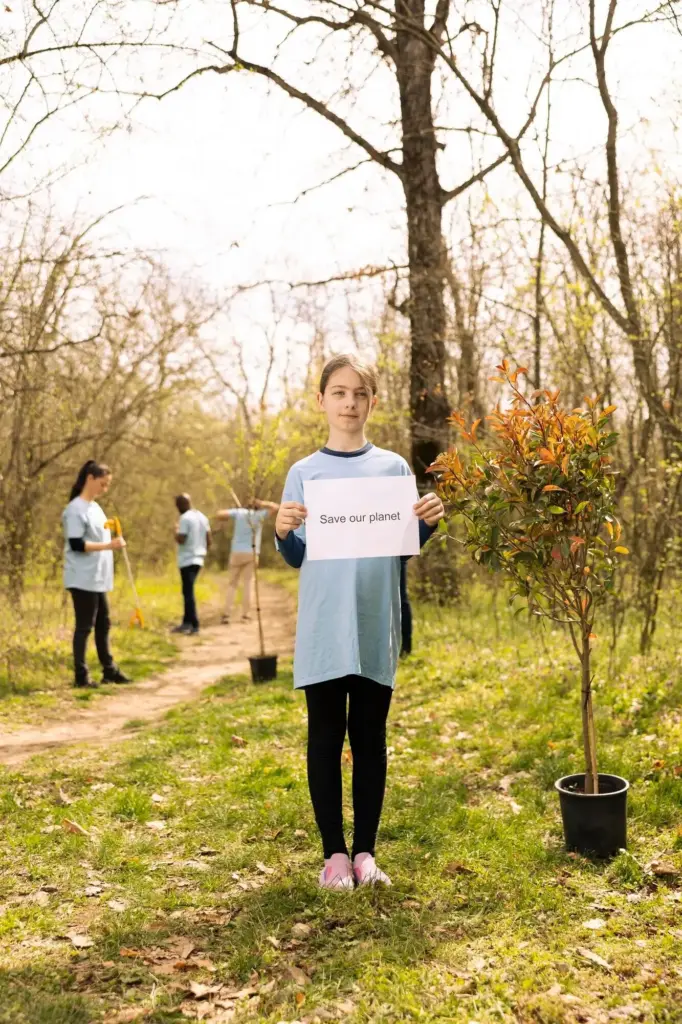
Before drawing solutions, listen to the building. Scratches, paint layers, and patched floors document usage paths; window wear reveals prevailing winds; attic dust marks air leaks; and summer heat lines trace solar gain. With a narrative sustainability lens, these clues become chapters that guide respectful interventions. Residents’ recollections, utility bills, and quick comfort surveys complement blower-door results, aligning human perception with measured data. The archive invites humility, reminding designers to learn first, then act with precision and empathy.

Design Moves That Respect and Renew

Effective adaptive reuse favors reversible interventions, passive-first strategies, and circular material flows. The goal is to add comfort, safety, and efficiency while minimizing irreversible change to valued fabric. A narrative sustainability lens keeps the human journey central, asking how each detail supports rituals and memory. From interior storms that protect historic sashes to reclaimed flooring that matches patina, incremental moves compound into transformation. The design reads as calm and coherent, equally attentive to energy, heritage, and daily life.

Community Voices Shape the Future

Historic residences anchor social networks as much as streetscapes. Engaging past and present neighbors uncovers stories that illuminate priorities: protecting a beloved porch for informal gatherings, preserving a rental unit for multigenerational stability, or restoring a shade tree corridor that cools summer walks. The narrative lens means design is co-authored, not imposed. Transparent meetings, shared visuals, and accessible language turn skepticism into stewardship. Participation builds confidence, eases approvals, and ensures the finished home reflects local values with pride.

Policy, Finance, and Risk Made Practical

Adaptive reuse succeeds when paperwork, incentives, and risk are navigated with confidence. A narrative sustainability lens helps frame compliance and funding requests around public benefits: carbon reduction, cultural continuity, and health. Presenting measurable targets with accessible stories builds trust with inspectors, lenders, and neighbors. Layering grants, tax credits, and community finance can unlock feasibility, while right-sized contingencies and phased scopes manage uncertainty. Clarity, honesty, and shared outcomes keep projects moving and partnerships resilient when surprises arise.

Navigating Codes Without Compromising Character

Early meetings with code officials and preservation staff reduce surprises. Bring drawings that clearly show life safety, accessibility, and energy improvements, paired with proposals for equivalencies where prescriptive requirements could harm historic fabric. Framing requests through occupant well-being and documented performance wins support. Detailed notes create a traceable decision record, easing inspections and future work. Respectful collaboration often reveals flexible pathways that secure safety and efficiency while maintaining the proportions, textures, and craftsmanship that make older houses beloved.

Funding Stacks and Incentives That Actually Land

Feasible projects often combine historic credits, utility rebates, green loans, and community contributions. A compelling narrative clarifies why each dollar yields multiple benefits, from lower energy bills to youth apprenticeships in traditional trades. Simple pro formas that include maintenance and monitoring show seriousness and reduce perceived risk. Transparent communication keeps partners aligned through bid shifts and supply delays. When residents see money invested in durability and skills, support strengthens, and the financial story becomes as inspiring as the design.

Measuring Outcomes Beyond Payback

Performance dashboards can include comfort surveys, indoor air quality, seasonal energy use, and embodied carbon avoided by reuse. Pairing numbers with stories prevents narrow focus on short payback periods, highlighting health, heritage, and resilience benefits. Share results publicly to build momentum and invite peer review. When neighbors witness steady improvements and honest reporting, trust grows. This accountability culture supports smarter maintenance, better policy, and a regional shift toward keeping existing homes strong, efficient, and meaningfully loved.
A Weatherboard Cottage Becomes a Low-Energy Home

A small coastal cottage with rattling windows gained interior storms, targeted air sealing at the attic hatch, and a shaded veranda tuned to afternoon breezes. The owner kept original floorboards, refinished to reveal grain that reflects shifting light. With right-sized fans and a compact heat pump, summertime bedrooms are calm without overcooling. The family reports quieter sleep, lower bills, and neighbors borrowing the storm-panel detail. Repairs felt like storytelling, each step reclaiming comfort while protecting familiar textures and proportions.

A Rowhouse Transformed Into Shared Living

In a dense urban block, a narrow rowhouse welcomed multigenerational living through acoustic zoning, improved daylight from a refurbished light well, and a shared kitchen anchored by salvaged tile. Insulation focused on party walls and roof, minimizing impact on front rooms with historic trim. Clear signage and intuitive controls made energy systems understandable to every resident. The house now hosts weekend meals that spill onto the stoop, reviving neighborly ties while reducing energy use and supporting affordability through shared spaces.

Stewardship After the Ribbon Cutting

Completion is a beginning. Maintenance, monitoring, and storytelling keep improvements working and meaning alive. A narrative sustainability lens treats caretaking as a communal practice—owners, tenants, neighbors, and trades sharing knowledge across seasons. Clear manuals, annual tune-ups, and open records build trust and reduce surprises. When people understand why details matter, they protect them. Invite feedback, welcome questions, and share updates, turning a single home into a local reference that steadily elevates craft, comfort, and climate literacy.
Zitumiremukamike
Privacy Overview

This website uses cookies so that we can provide you with the best user experience possible. Cookie information is stored in your browser and performs functions such as recognising you when you return to our website and helping our team to understand which sections of the website you find most interesting and useful.